Modern travel agencies and agents rely on B2B travel portals and management software to automate booking flights, hotels, car rentals, and packages...
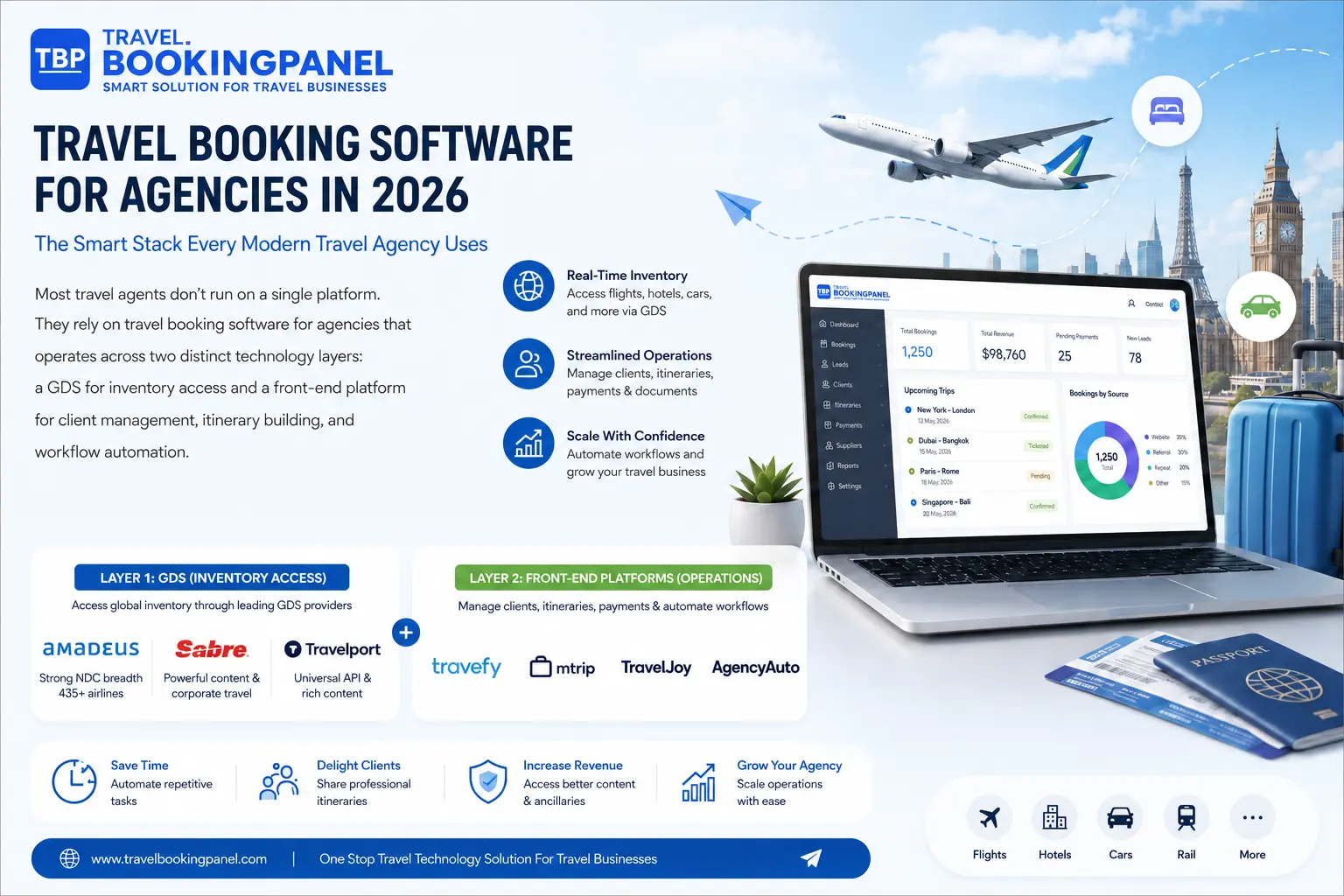
Modern travel agencies and agents rely on B2B travel portals and management software to automate booking flights, hotels, car rentals, and packages. These platforms combine multiple systems (GDS, OTAs, APIs) into a centralized booking engine. In practice, an agent can search global inventories, compare prices, and confirm reservations—all within one portal. For example, corporate travel software like TravelPerk functions as an “all-in-one, end-to-end travel management system” with built-in policy compliance, expense tracking, and real-time flight/hotel search. Such software is aimed at OTAs, travel management companies (TMCs), tour operators, and traditional agencies seeking to replace siloed spreadsheets and phone bookings with automated workflows. Key benefits include streamlined booking processes, automated itinerary and invoicing, live inventory management, CRM tools, and analytics that improve efficiency and reduce errors.
Modern travel portals provide unified flight/hotel search and booking on a single dashboard, enabling agents to serve clients faster (Image: searching flights on Expedia). Research shows that top travel software includes central booking engines, CRM modules, quote management, and itinerary planning tools. These features help agents instantly compare airfare and hotel options, create professional itineraries, and manage payments – tasks that used to take hours by hand.
Key Features of the Best B2B Travel Agent Portals
Choosing a B2B portal means evaluating several critical features. High-performing travel portals typically include:
User-Friendly Interface: A clean, easy-to-navigate dashboard reduces training time. Intuitive menus and dashboards help agents process bookings and clients’ requests quickly, with minimal learning curve. Strong support (helpdesk/live chat) also ensures any technical issues are resolved fast.
Robust Search & Booking Engine: Real-time availability for flights, hotels, and cars across all suppliers. Advanced search filters (date ranges, cabin class, refundable options, ratings, etc.) let agents pinpoint the best options instantly. Portals integrate GDS and OTA suppliers so agents see the broadest inventory; this seamless booking flow prevents double-bookings and confirms reservations without delays.
Competitive Pricing & Commissions: Transparent, attractive pricing models and commission structures are crucial. Good portals clearly display markups or discounts, enabling agencies to maximize profits. Many systems offer higher commission tiers or performance bonuses for top-selling agents. By reviewing rate rules and net rates, agencies can select portals that boost their margins.
Strong Security & Compliance: Leading portals use encryption and secure payment gateways to protect transactions and customer data. PCI-DSS compliant payment processing and robust data security safeguards are must-haves for maintaining trust and meeting regulatory standards.
Mobile Compatibility: A responsive design or dedicated mobile app lets agents and clients book or manage trips from any device. Travel portals now prioritize mobile-first interfaces, enabling agents to handle bookings on tablets or smartphones. (For instance, a portal might send real-time notifications to agents’ phones when a booking is confirmed.) Mobile-friendly layout means agents aren’t tied to the office and can assist clients from anywhere.
Customization & Branding: Top portals allow agencies to personalize the experience – from uploading their logo to configuring workflows. Customizable dashboards, white-label booking widgets, and adjustable inventory rules let a portal fit an agency’s unique processes. For example, agencies might tailor the homepage or booking criteria to niche markets (like group tours or corporate travel).
Mobile compatibility is key: agents can manage travel bookings on-the-go via responsive portals (Image: hotel key exchange over smartphone). The combination of these features means that a complete portal can handle everything from flight search to post-booking analytics. As one solution advertises, a “pre-built, tested, ready-to-deploy flight booking system” can integrate multiple suppliers (e.g. Amadeus, Sabre) and offer advanced search, payment, and CMS in minutes. Investing in a feature-rich portal streamlines operations, boosts sales, and prepares an agency for growth in 2025’s competitive market.
Top Travel Agency Software Solutions in 2025
In the 2025 landscape, several powerful platforms dominate. Each has its specialty (corporate travel, GDS access, tours, etc.), but all share core booking and management features:
TravelPerk: An end-to-end platform focused on business travel. It offers online booking of flights, hotels, trains, and car rentals, along with expense management and travel policy compliance. It stands out for its self-service model (allowing travelers to book within policy), extensive inventory, and features like VAT recovery and free flight cancellations. TravelPerk’s free “Starter” plan even includes consolidated invoicing and reporting for small agencies.
Sabre (GDS): One of the world’s largest Global Distribution Systems. Sabre provides a centralized platform where travel agents can search, compare and book travel products from airlines, hotels, cruises, and cars via GDS content. It excels in broad inventory coverage (air and land) and supports mobile booking tools. Sabre also includes CRM and analytics to help agencies tailor offers and track performance.
Travelport: Another leading GDS and travel tech provider. Travelport aggregates data from hundreds of suppliers and offers APIs that agencies can embed in their own portals. It features workflow automation (e.g. “Productivity Automator” to reduce manual tasks) and integrated payment/commission management. Like Sabre, it’s widely used by OTAs and large agencies for global inventory access.
Lemax: A specialized software for travel agencies and tour operators. Lemax automates tour package management, reservations, and invoicing. It generates multilingual quotes/invoices and includes a built-in CRM to manage client relationships. Reporting tools help analyze supplier performance and tour profitability, enabling agencies to renegotiate commissions and optimize margins.
Ezus: Cloud-based trip-planning software geared toward agencies, DMCs, and MICE operators. Ezus helps create customized multi-services itineraries and budgets. It features dynamic pricing and automated trip costing – agencies can push alternative pricing and instantly update client proposals. Ezus also auto-generates branded itineraries and mini websites for client review.
Juniper: A travel tech suite aimed at OTAs and wholesalers. Juniper enables agencies to build travel packages and manage product portfolios. It supports yield management, so agencies can adjust pricing dynamically, and it distributes content through its network of affiliates. Juniper’s white-label engine is often used by large tour operators to offer customizable package tours.
Each platform above brings unique strengths – for example, HotelBeds is known for global hotel inventory (especially upscale FIT bookings), and some agencies also use custom or open-source solutions like PHPTRAVELS. Whatever the choice, the goal is the same: unify supplier content, automate booking steps, and provide agents with tools to upsell and streamline customer support. (For a ready-made solution, providers like TravelBookingPanel offer a turnkey flight+hotel portal with GDS integration and a management dashboard.)
Top B2B Hotel Booking Platforms in Asia
For agents focusing on Indian and Asian markets, specialized hotel booking platforms offer localized inventory and services. Key players include:
TBO Hotels: Offers a vast B2B hotel inventory across India, UAE, Thailand, Singapore, Malaysia and beyond. It features filters for refundability, star rating, and add-ons (breakfast, transfers). Agents gain credit limits and can even contract hotels offline in India/UAE. Group booking support and competitive rates make it popular for large and small agents alike.
RezLive: Known for extensive Asian coverage (hotels, apartments, transfers). RezLive’s B2B portal includes filters for niche needs (e.g. halal-friendly, specific cuisines, transit proximity). It also offers APIs for agencies that want to integrate RezLive’s inventory into their own systems. In practice, agents report RezLive often has rooms when others show sold-out, thanks to its strong Thailand and Middle East supply.
GRNConnect: A global hotel booking platform with 400,000+ properties, strong in both FIT and group segments. It’s favored for city hotels across Asia (Bangkok, Bali, Colombo, etc.). Notably, GRNConnect allows agents to “Request Offline Rate” – a tool for negotiating better deals on long-stays or special inventory.
TripJack B2B Hotels: An Indian B2B portal that’s gained popularity by focusing on tier-2/3 Indian cities. TripJack offers cashbacks and promotional deals to agents, 24×7 chat support, and a wallet-based payment system that simplifies transactions. Agents can book local hotels and add-ons (like early check-in or airport pickup) easily.
BookingWhizz: A hotel aggregator known for its simple UI and fast confirmations, even in peak season. Its coverage includes India, Indonesia, Vietnam, and Thailand. It’s tailored for smaller agencies that need quick booking confirmations, INR invoicing, and dedicated support.
HotelBeds (B2B): A global bedbank with a B2B API and regional contracting in Southeast Asia. It excels for 4★–5★ FIT and upscale corporate stays. Agencies booking international or luxury accommodations use HotelBeds for its wide inventory and B2B-only rates.
MakeMyTrip (MMT) B2B: The wholesale arm of India’s biggest OTA. MMT B2B gives agents access to domestic hotels at special rates, with features like invoice-ready receipts. It’s strong for circuits like pilgrimage routes and city stays, letting agents tap into MakeMyTrip’s deep hotel network within India.
Top B2B hotel platforms (e.g. TBO, RezLive, TripJack) let agents handle check-ins and room assignments seamlessly in real-time. Agents should compare platforms by support (e.g. 24/7 helpdesk), payment terms, and inventory coverage to fit their niche.
Tips for Choosing a Hotel Booking Portal
Check Policies: Always review child/extra-bed rules and cancellation policies upfront. Some portals don’t clearly display these, leading to on-ground service issues.
Refund Flexibility: Compare refundable vs. non-refundable deals. Flexibility can be crucial for group or corporate bookings where plans may change.
Technology Aids: Use itineraries and vouchers that automatically embed hotel confirmations (via white-label itinerary builders); this adds professionalism and reduces manual work.
Credit Terms: High-volume agencies should negotiate for credit limits or weekly billing instead of pre-payment. Many B2B systems allow credit terms after 3–6 months of consistent volume.
Visualizing the B2B Travel Booking Workflow
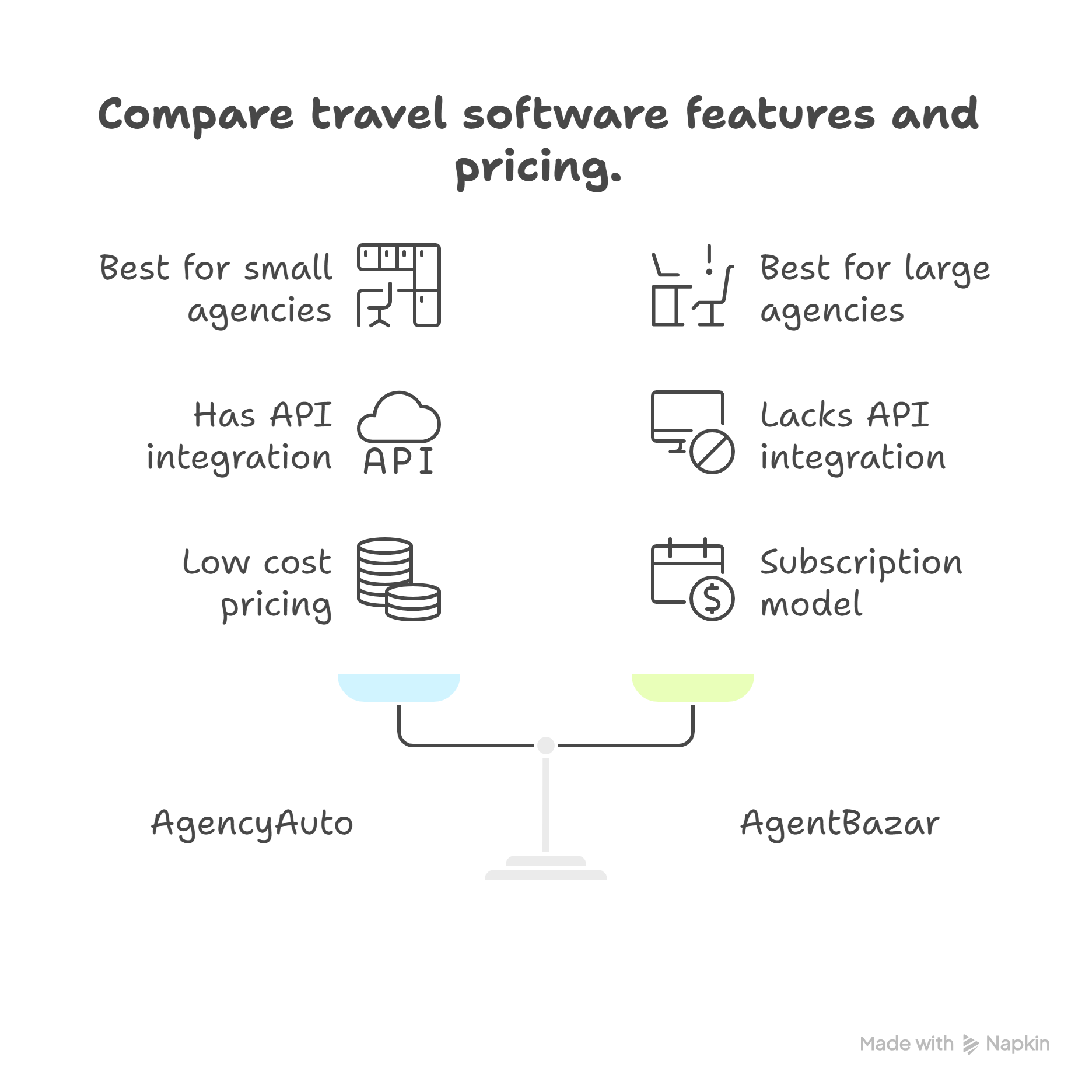
Comparison of Top Travel Booking Panels

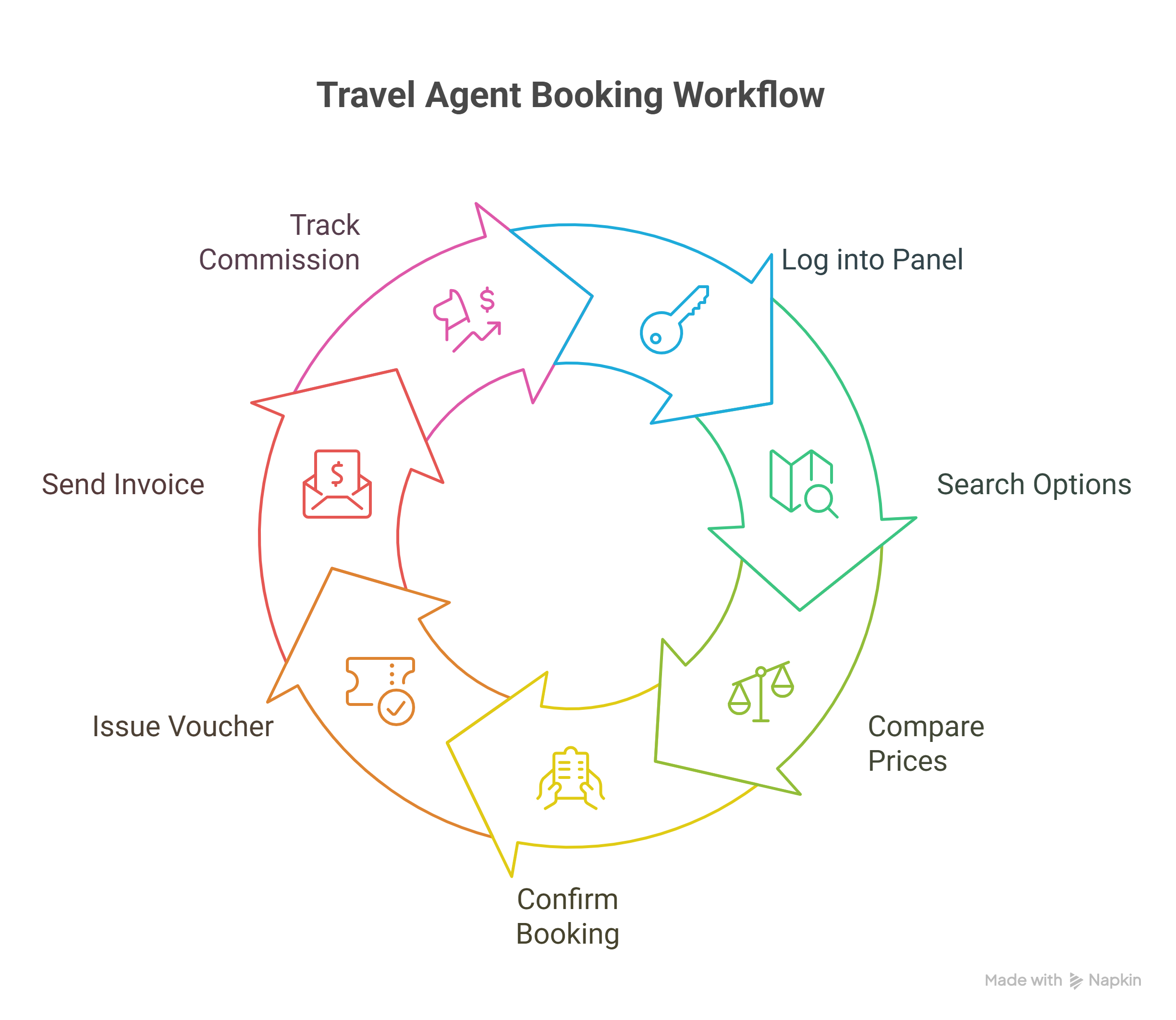
Workflow of a Travel Agent Using a Booking Panel
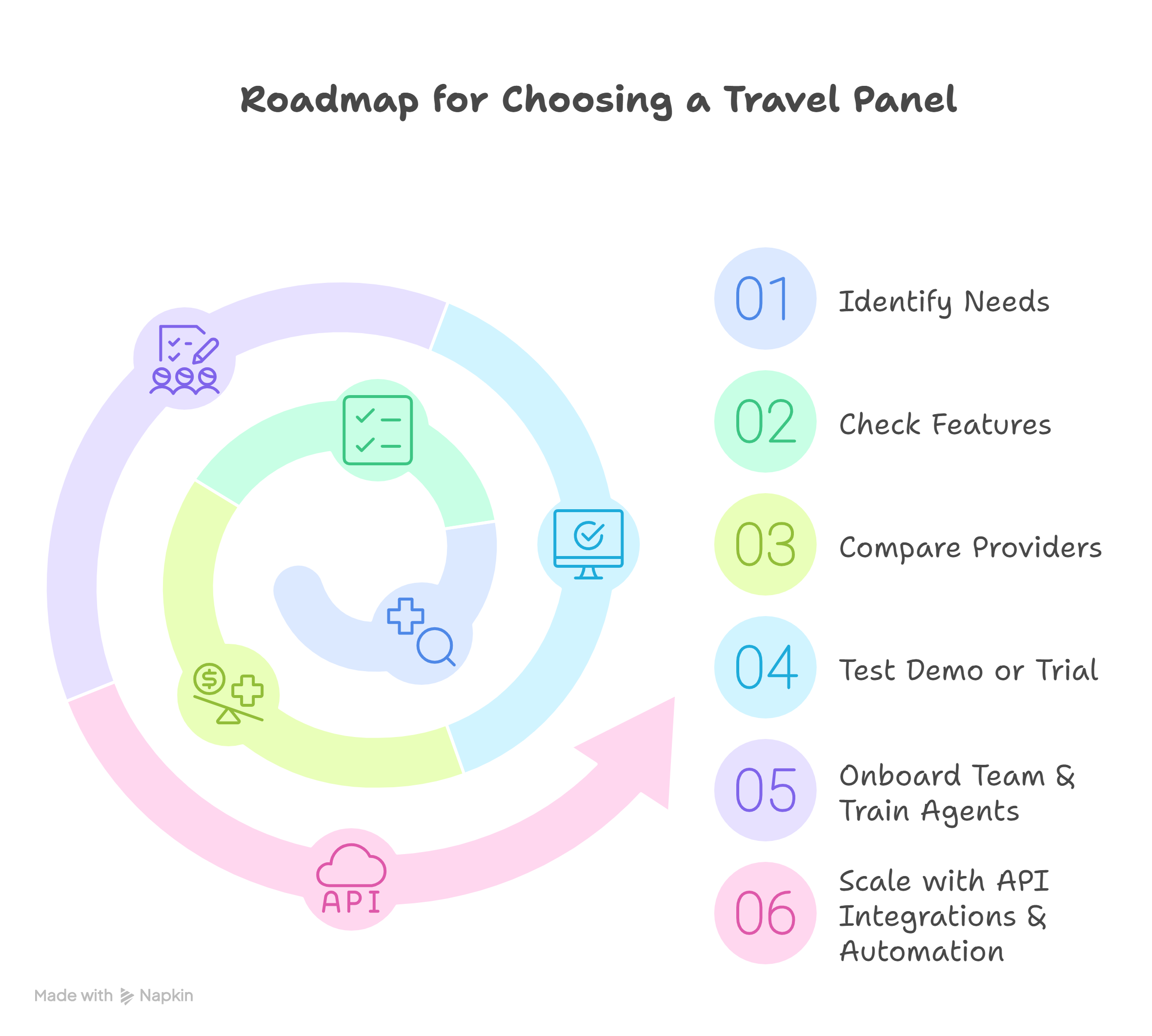
Roadmap for Choosing the Best Travel Panel
Why Invest in a Travel Booking Portal?
Ultimately, the right portal is a revenue engine. It empowers agencies to offer instant quotes, cross-sell services, and close sales faster. By replacing manual processes (calling hotels, faxing vouchers, etc.) with automation, agencies save labor costs and minimize mistakes. Customer satisfaction improves when confirmations and support are prompt.
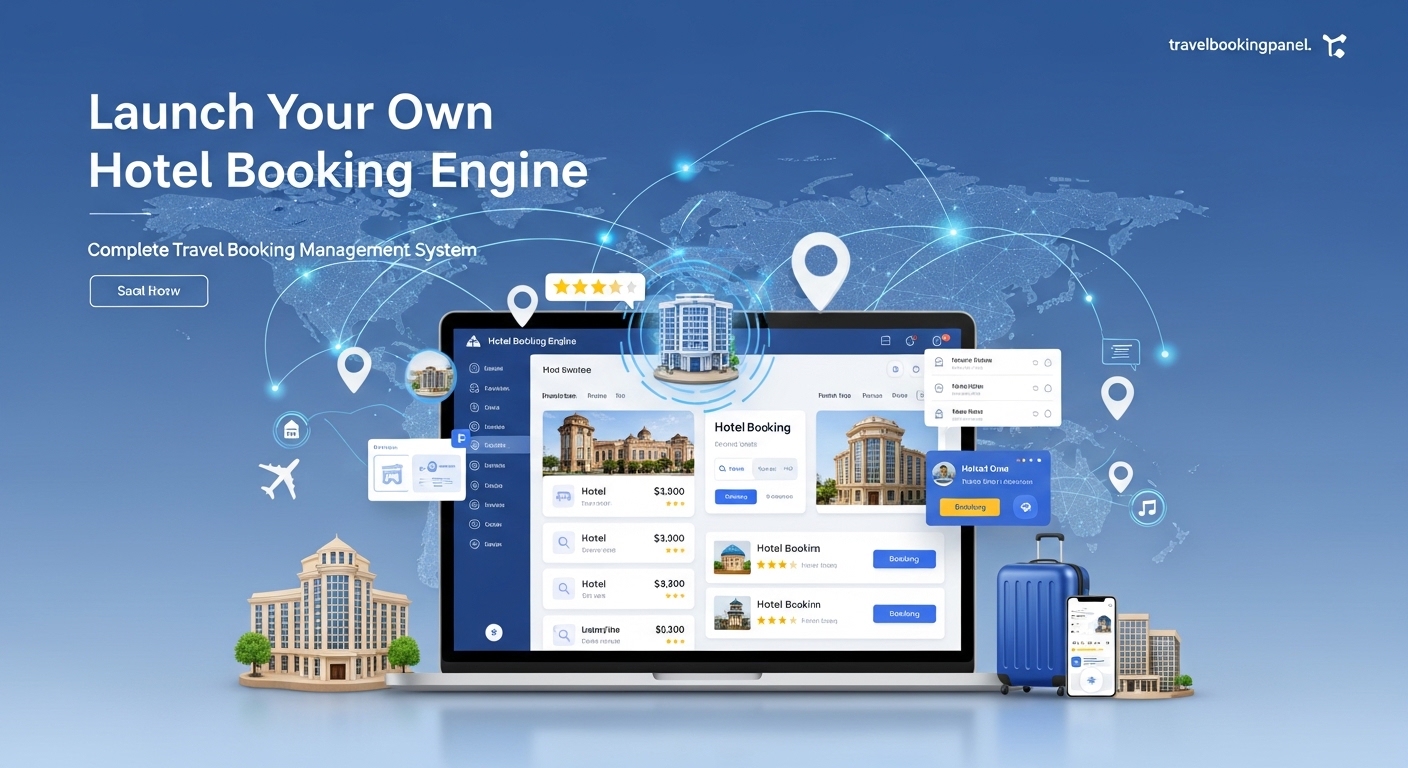
For example, https://travelbookingpanel.com offers a turnkey flight booking portal (with Amadeus integration and payment gateway) that launches in minutes. Solutions like this demonstrate how agencies can rapidly go live with minimal tech work. Whether a small agency uses a SaaS platform or builds a custom GDS-connected portal, the goal is the same: scale operations, capture more margin, and serve clients 24/7.
Conclusion
Today’s travel agencies thrive on technology. By adopting a feature-rich B2B portal and booking software, agencies can handle complex itineraries and hotel bookings effortlessly. Key factors are an intuitive UI, real-time multi-service search, transparent pricing, mobile access, and robust security. Top platforms in 2025 – from corporate travel systems like TravelPerk to hotel portals like TBO and RezLive – set the standard. Agents should evaluate their needs (type of clients, destinations, volume) against portal features to choose the best fit. Investing in an integrated travel booking system not only streamlines daily work but also unlocks new revenue streams through faster service and wider inventory access.
Ready to upgrade your agency’s technology? Explore travelbookingpanel.com to launch a customizable flight & hotel booking portal with full supplier integrations. It’s a quick way to own a modern B2B booking system and start earning immediately.
FAQs (Frequently Asked Questions)
What exactly is a B2B travel portal? A B2B (business-to-business) travel portal is an online platform that connects travel agencies to wholesale inventories of flights, hotels, buses, etc. It acts like a private “booking engine” just for agents, offering agent-specific pricing and tools for bulk bookings.
Why use a travel agency management software? Agency software automates manual tasks (quoting, invoicing, reporting) and centralizes bookings from all suppliers. This reduces errors, saves time, and provides business insights (sales reports, agent performance) that manual methods cannot easily deliver.
How do I choose the best travel portal? Compare portals based on coverage (GDS vs. OTA), ease of use, commissions, support, and tech features (API, mobile app, CRM). Look for portals with strong security and clear pricing. Pilot-test any solution with trial bookings. Read agent reviews (e.g. on G2/Capterra) and consider vendors that offer live demos or proof-of-concept.
Can I integrate a portal into my existing website? Yes – many booking engines (like TravelBookingPanel or Sabre/Travelport APIs) can be white-labeled. Agencies often embed the portal in their own site or use a custom domain. This allows brand continuity while leveraging the portal’s backend.
What is a Global Distribution System (GDS)? A GDS is a network (like Sabre, Amadeus, Travelport) that aggregates travel supplier inventories (airlines, hotels, cars) and distributes them to agencies. Modern portals typically connect to one or more GDS to give agents real-time access to this data for bookings.
Own Your Travel Platform. Forever.
Buy once, own forever. Full source code · No monthly fees · No hidden charges.